




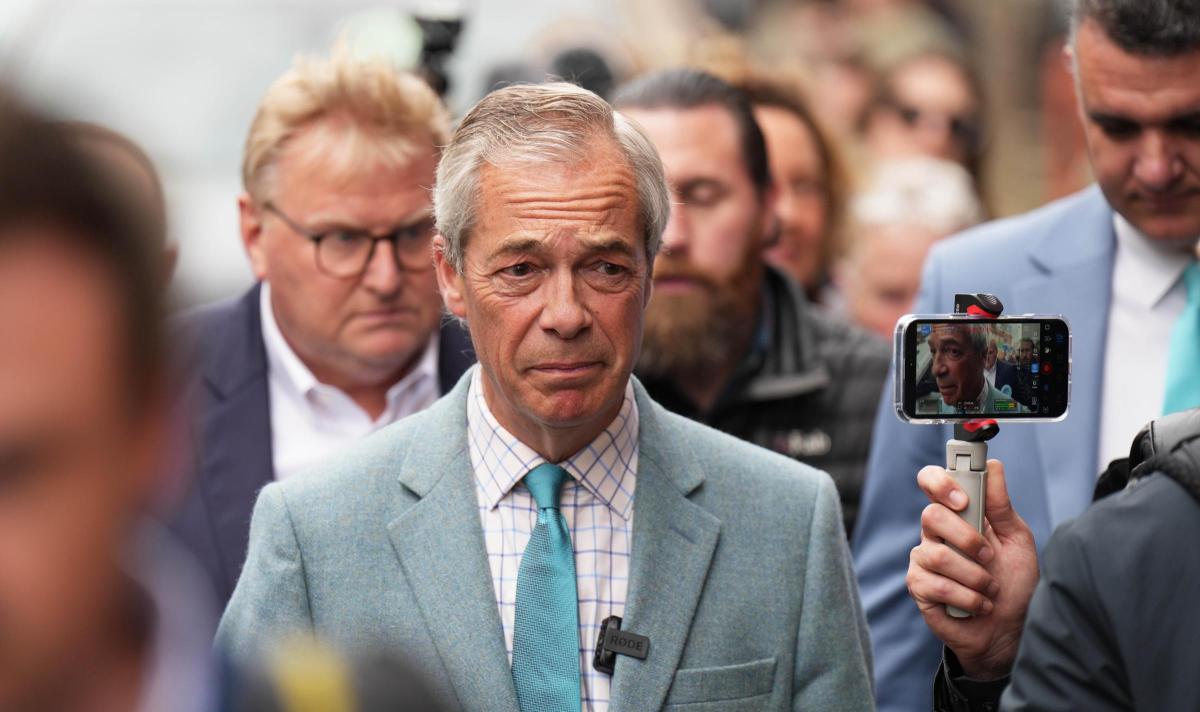

Cumbria’s political landscape could be on the brink of a dramatic shake-up, with new modelling suggesting Reform UK is poised to become the dominant force across much of the county if a general election were held tomorrow.
Fresh analysis from Electoral Calculus, based on a national “poll of polls” conducted throughout May, puts Reform UK on around 27 per cent of the vote.
That places the party well ahead of both Labour and the Conservatives, who are each languishing below 20 per cent.
The figures mark a stark reversal of Labour’s landslide victory in 2024 and underline a broader collapse in support for Britain’s two traditional main parties.
When those national polling trends are applied to individual constituencies, the implications for Cumbria are striking. Several seats won by Labour less than two years ago are now projected to fall to Reform UK.
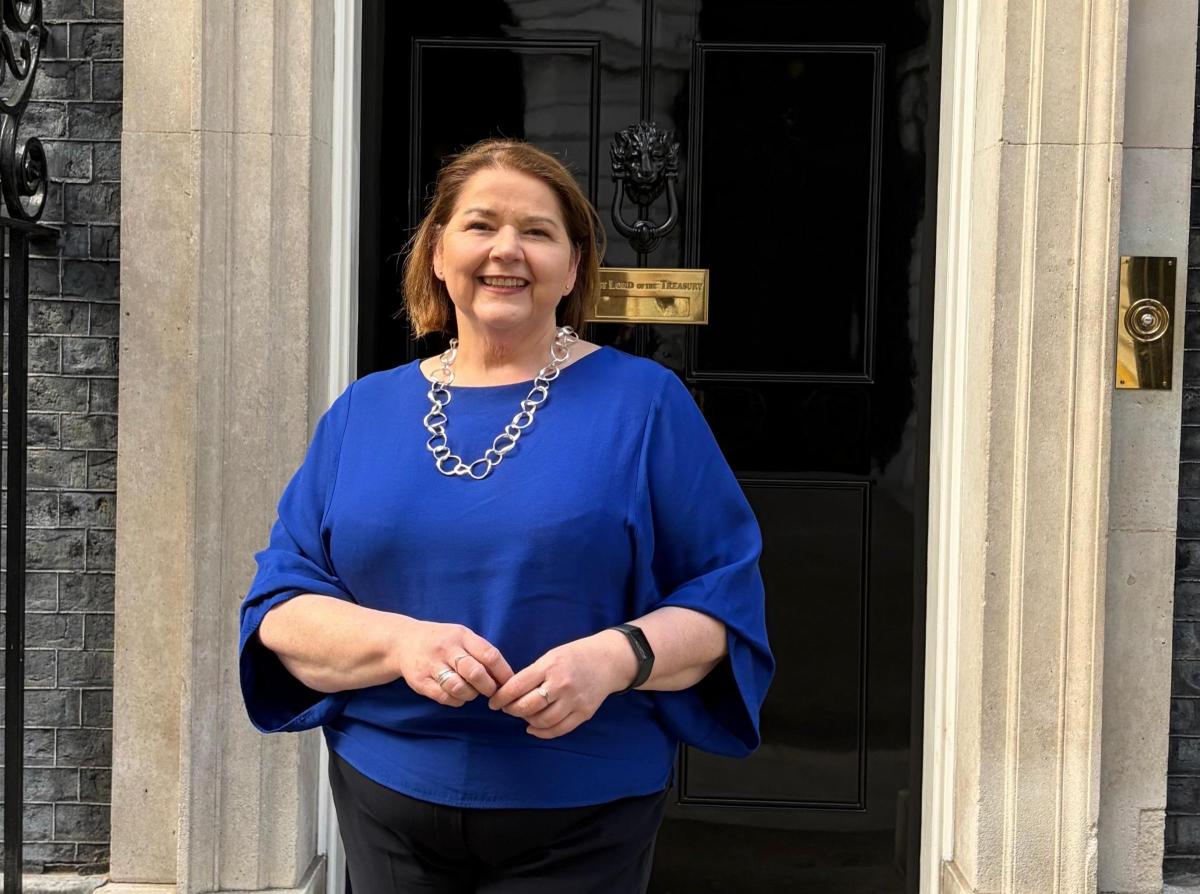
In Barrow and Furness, where Labour’s Michelle Scrogham secured a comfortable victory in 2024, Reform is now forecast to edge ahead on vote share.
Electoral Calculus classifies the seat as a likely Reform gain under current polling conditions.

Carlisle follows a similar pattern, with modelling suggesting Reform would overtake both Labour and the Conservatives, turning Julie Minns’s relatively recent victory into another potential loss for Labour.
Penrith and Solway, another constituency that returned a Labour MP in 2024, is also flagged as vulnerable.
Current projections indicate it could join the list of Reform gains if national trends continue.
Meanwhile, Whitehaven and Workington—won convincingly by Labour’s Josh MacAlister—has shifted from being considered safe to highly competitive, with several projection models now placing Reform narrowly in front.

The notable exception within Cumbria is Westmorland and Lonsdale. Liberal Democrat MP Tim Farron appears to retain a strong position, with Electoral Calculus continuing to place the Lib Dems well ahead.
Analysts suggest that a combination of incumbency, tactical voting and a historically strong local base could insulate the seat from wider national swings.
Despite the eye-catching projections, there is currently no timetable for a general election, and the next scheduled local authority contests in Cumberland and Westmorland and Furness are not due until 2027.
Political strategists are therefore likely to treat mid-term polling with caution. However, the direction of travel is becoming increasingly difficult to ignore: Cumbrian politics, mirroring the national picture, is fragmenting rapidly.
Evidence of Labour’s underlying vulnerability in the county was already visible in the 2024 general election results, despite the party’s overall national success.
In Carlisle, Julie Minns won with 18,129 votes, ahead of Conservative candidate John Stevenson on 12,929 and Reform UK’s Stephen Ward on 9,295. While that secured a Labour victory, the numbers tell a more nuanced story.
Ms Minns achieved both a lower vote total and a smaller share than Labour candidate Ruth Alcroft managed in 2017, when the party finished second.
Looking further back, Eric Martlew’s final victory in 2005 saw Labour secure 48.1 per cent of the vote—almost ten percentage points higher than Ms Minns’s share in 2024. In the landslide election of 1997, Mr Martlew polled more than 25,000 votes and 57.4 per cent, figures that far exceed Labour’s recent performance.
While boundary changes complicate direct comparisons, the data points towards a longer-term decline in Labour’s vote share in parts of Cumbria.
Analysts also point to voter apathy and a tactical “anyone but the Conservatives” sentiment in 2024, suggesting that the result lacked the depth of support seen in previous Labour high-water marks such as 1997.
Attention is now turning to the forthcoming Makerfield by-election in Greater Manchester, which many observers see as a crucial test of whether Reform UK’s polling surge can be translated into Westminster victories.
The contest was triggered by the resignation of Labour MP Josh Simons in May, following controversy linked to his previous role at the Labour Together think tank.
Mr Simons had only secured the seat in 2024 with a relatively modest majority over Reform, who finished a strong second.
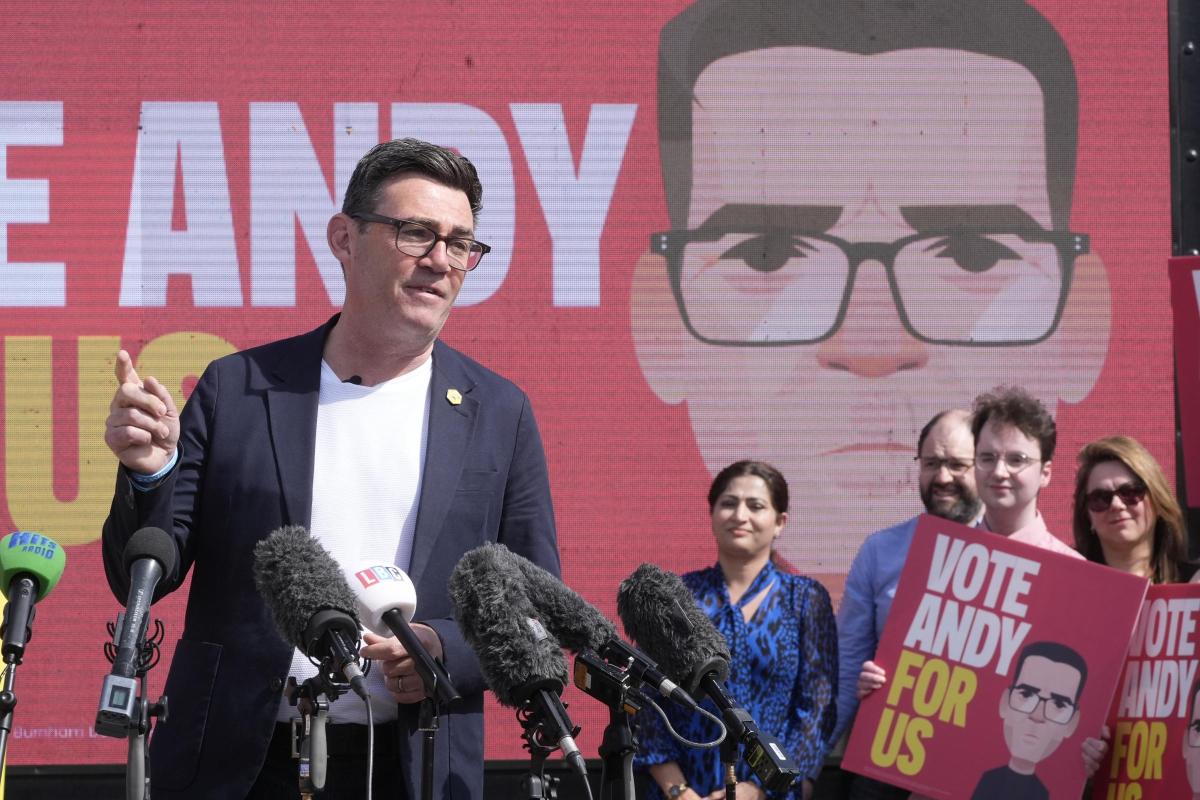
Labour has responded by selecting Greater Manchester Mayor Andy Burnham as its candidate, a move that has elevated the by-election into a high-profile national contest.

Mr Burnham, a former cabinet minister and MP for Leigh, has indicated he would continue as mayor in the short term if elected, further adding to the political significance of the race.
Makerfield is often described as classic “Red Wall” territory, with a strong working-class identity and a long history of Labour representation.
However, recent results suggest shifting allegiances. In the 2024 general election, Labour’s vote share saw only modest growth, while Reform surged into second place.
That momentum accelerated in the May 2026 local elections, when Reform won every ward within the constituency, securing roughly half the vote compared to Labour’s 27 per cent.
For Cumbria, where Reform is now competitive or leading in multiple constituencies according to projections, the Makerfield result is likely to be closely watched.
A Reform victory against a high-profile figure such as Burnham would send a powerful signal that similar gains could be achievable across northern England.

The backdrop to these developments is a turbulent set of local election results in 2026, which delivered significant losses for Labour and intensified scrutiny of Prime Minister Keir Starmer’s leadership.
Across England, more than 5,000 councillors were elected on 7 May, alongside devolved elections in Scotland and Wales.
Labour lost around 1,500 councillors and control of 38 councils, suffering setbacks in many of its traditional strongholds in the North and Midlands. Reform UK, by contrast, surged from a minimal base to approximately 1,450 councillors and control of 14 councils. The Greens and Liberal Democrats also made notable gains.
The BBC’s projected national vote share, based on over 1,000 ward results, placed Reform on around 26 per cent, ahead of the Greens on 18 per cent, with Labour and the Conservatives tied on roughly 17 per cent each. Political analysts, including Professor Sir John Curtice, have pointed to these figures as evidence of an increasingly fragmented political system, with no single party commanding broad national support.
The scale and speed of Labour’s losses have fuelled internal dissent. In the aftermath of the elections, more than 20 Labour MPs publicly called for Mr Starmer to resign or set out a timetable for his departure. Trade union leaders have also urged a significant shift in economic and political strategy.
Mr Starmer has so far resisted those calls, insisting he will not “walk away and plunge the country into chaos” and instead promising a reset of his leadership. However, even allies acknowledge that further poor results—particularly in high-profile contests such as Makerfield—could place his position under severe strain.
For Cumbria, the emerging picture is one of increasing electoral volatility. Seats that appeared secure in 2024 are now being reclassified as marginal or leaning towards a different party altogether. While polling snapshots do not guarantee future outcomes, they do highlight a growing unpredictability in voter behaviour.
If current trends continue, the county could find itself at the forefront of a broader political realignment—one that challenges long-standing party loyalties and reshapes the electoral map of the North.


Share