


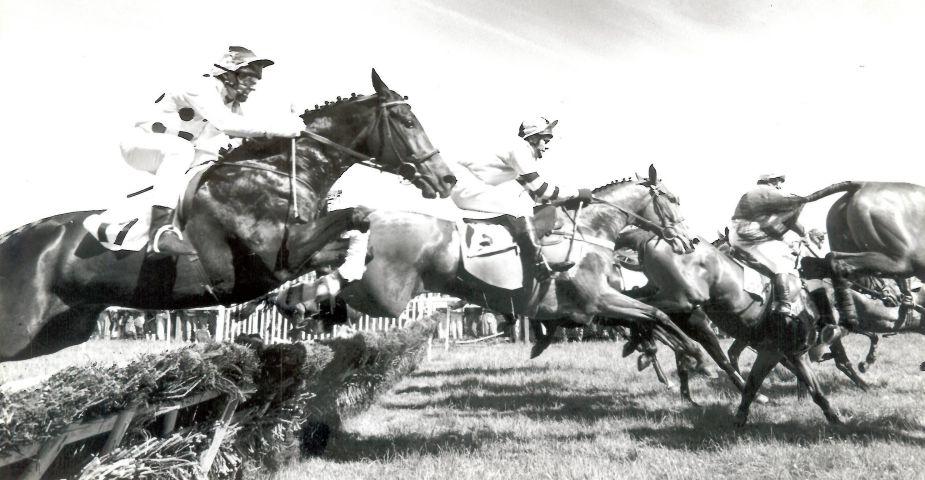

With the dust settling on another Cheltenham Festival, Cumbrian race fans now begin to look forward to the famous Cartmel Races, which begin in May.
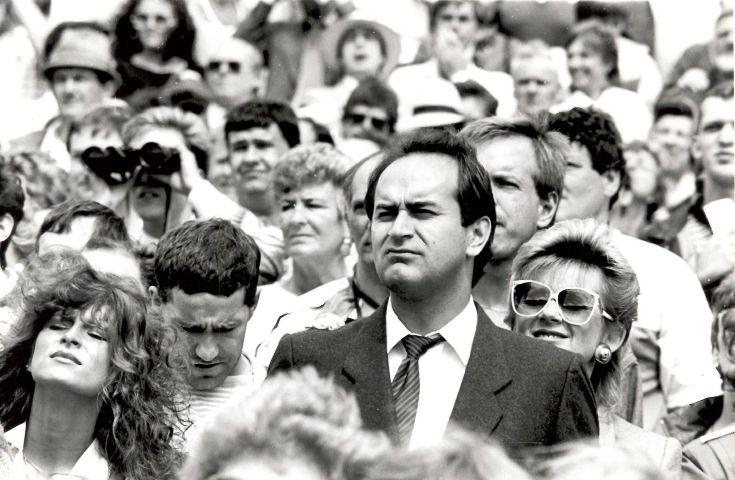
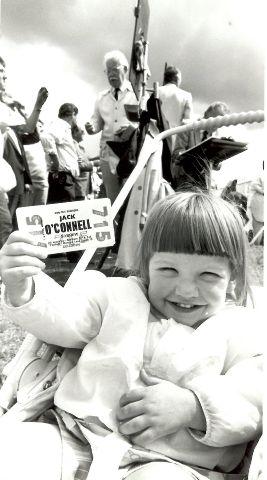
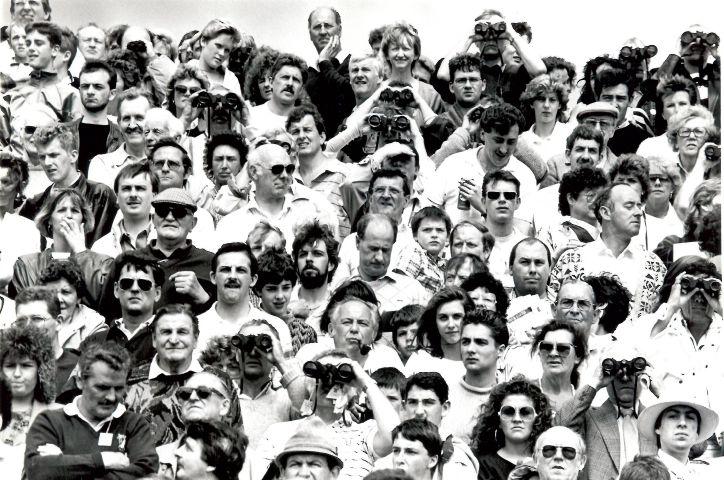
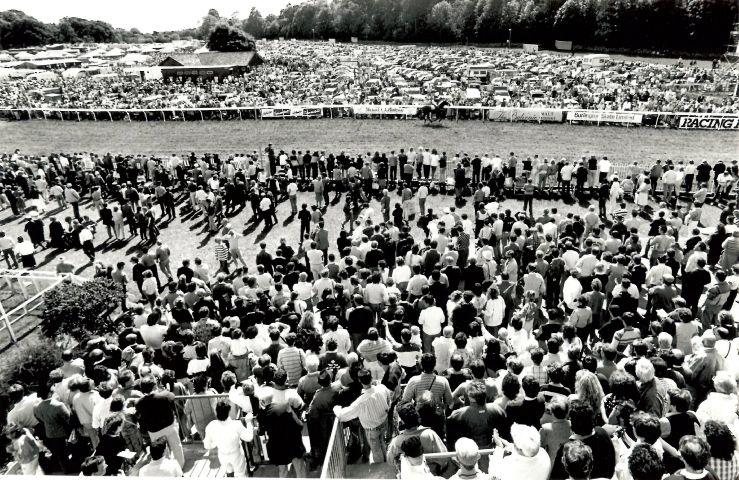
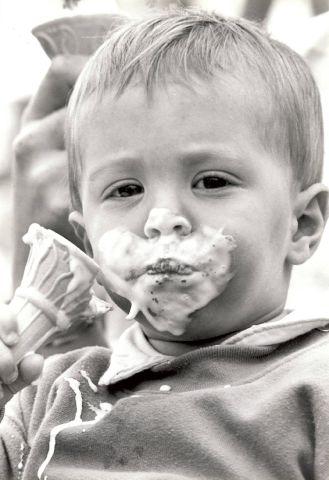
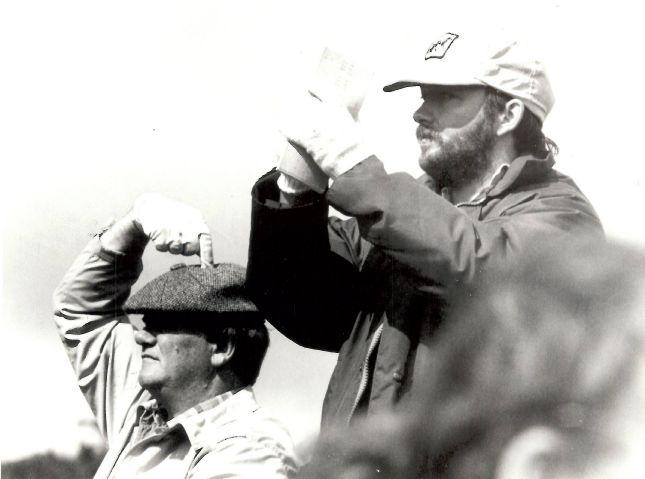
Thirty years ago, there were crowds at Cartmel numbering 14,000 for the first meeting in May.
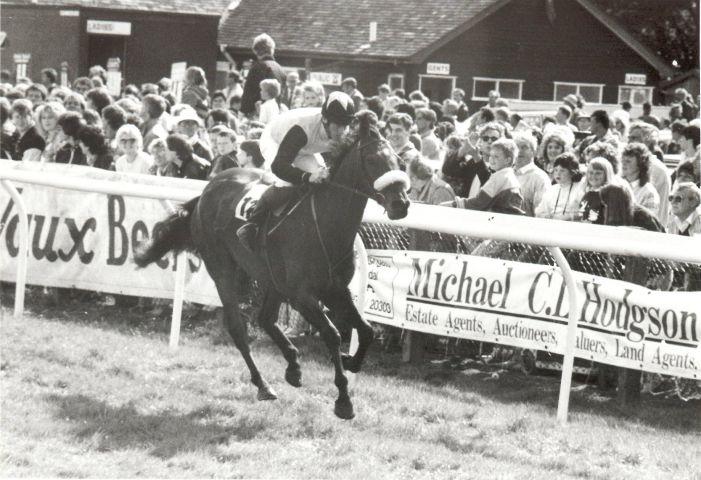
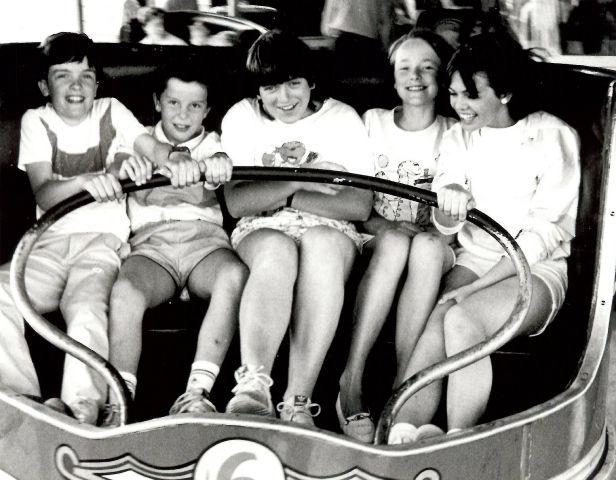
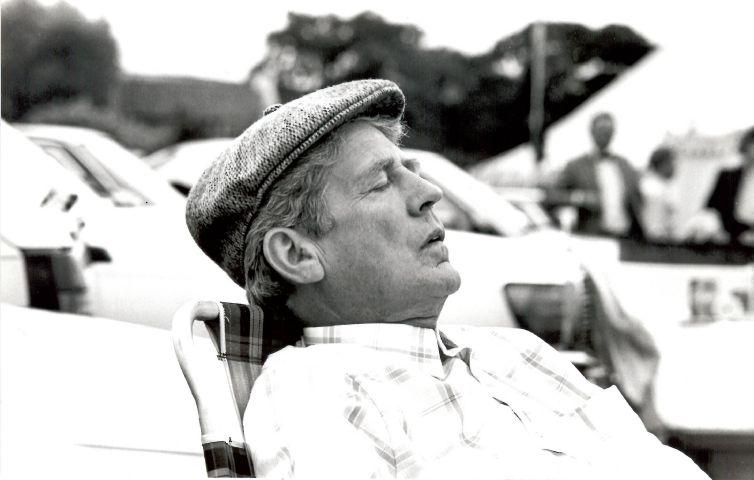
It was a perfect sunny weekend that welcomed them to the track in 1988 – the Evening Mail report of the time described them strolling, trotting and squeezing into the 'glorious' meeting – and organisers will be hoping for the same this season.
He clerk of the course in 1988, Major Tom Riley, described the conditions as 'perfect', and added: “The ground is ideal for the horses, the heat's not oppressive – and there's a cool breeze. I couldn't have wished for better.”
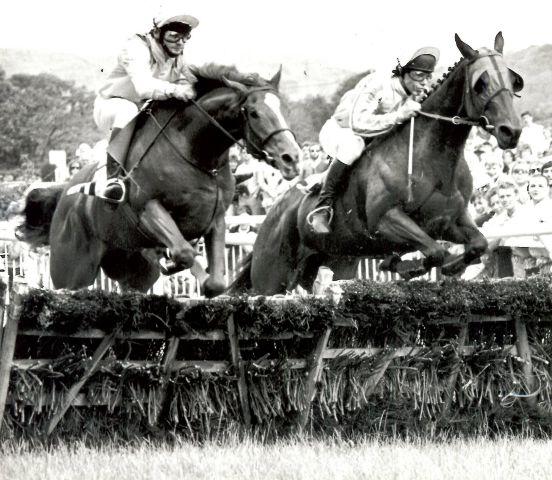
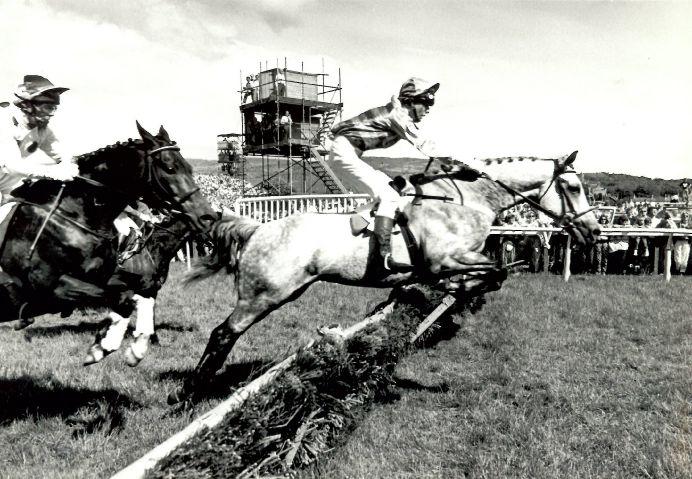
Preben Fur rode to victory in the feature race on the day, the £3,000 Burlington Slate Handicap Chase.
Cartmel’s racecourse has grown from modest local origins into one of Cumbria’s most distinctive National Hunt venues.
Although local traditions link racing to medieval monks from Cartmel Priory, who are said to have raced mules across the sands, the documented story begins in the nineteenth century.
Newspaper notices from the early 1800s refer to Whit Monday races on the Cartmel Peninsula, with a formal course established at Cartmel Park by the mid‑century.
The first recorded Whit Monday meeting at Cartmel dates from 1856, when innkeepers and tradesmen sponsored races such as the Innkeepers’ Stakes and Tradesmen’s Stakes.
At that time the programme mixed horse racing with hound trailing and foot races, reflecting the area’s rural character and its holiday crowds.
The arrival of the railway at nearby Cark‑in‑Cartmel in 1857 made the meeting more accessible and steadily increased attendances.
By 1875, meetings were being run under Grand National Rules, and in the post‑war decades the fixture list gradually expanded from a single Whit Monday card to additional summer dates, including an August Bank Holiday meeting from the late 1960s.
The course closed during both world wars, but local landowners, including figures connected with the Holker Estate, were instrumental in reopening and sustaining it afterwards.
Since 1974, when Lord Cavendish joined the racecourse board, Cartmel has seen continued investment, culminating in a new grandstand and hospitality facilities in 2004.
Today the course stages several days of jumping each summer and remains closely tied to the Holker Estate, maintaining a local identity while attracting visitors from across Cumbria and beyond.


Share